
The 2026 Formula 1 regulations represent the most significant “re-thinking” of car design in decades. Moving away from the “heavy-weight” era of 2022–2025, the FIA has introduced the “Nimble Car” concept.
Here is everything changing as we move from the 2025 monsters to the 2026 machines.
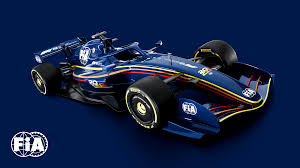
Dimensions: The Shrinking Grid
F1 cars have been criticized for being too large for traditional tracks. In 2026, the “footprint” of the car is shrinking significantly to improve wheel-to-wheel racing.
| Feature | 2025 Spec | 2026 Spec | Change |
| Wheelbase | 3600mm | 3400mm | -200mm |
| Width | 2000mm | 1900mm | -100mm |
| Tyre Width (Front) | 305mm | 280mm | -25mm |
| Tyre Width (Rear) | 405mm | 375mm | -30mm |
Weight: Dropping the Bulk
For the first time in years, the minimum weight of the car is actually going down.
- 2025 Weight: 798kg
- 2026 Weight: 768kg (a 30kg reduction).This will make the cars feel more reactive and improve braking performance, although engineers admit hitting this lower weight limit with the new batteries will be a massive challenge.
Aerodynamics: The “Active” Revolution
The 2026 car features a world-first for F1: Active Aerodynamics. * Moveable Wings: Both the front and rear wings will have moving flaps.
- Two Modes: Instead of just DRS, cars will have “Z-Mode” (high downforce for corners) and “X-Mode” (low-drag for straights).
- Simplified Bodywork: Front wings will be narrower, and the “Venturi tunnels” under the car will be less powerful to reduce the “dirty air” effect for following cars.
Engineering & The Power Unit
The heart of the car is undergoing a 50/50 split transformation.
- MGU-H Removed: The complex Heat Energy Recovery system is gone to lower costs and attract new manufacturers (like Audi and Ford).
- Electrical Power Surge: The electrical output will jump from roughly 120kW to 350kW.
- Manual Override (E-Path): A new “boost” button will replace DRS for overtaking, allowing a driver behind to use more electrical energy to pass.
- 100% Sustainable Fuel: All internal combustion engines will run on fully carbon-neutral fuels.
The Bottom Line
The 2026 car is designed to be a nimble, eco-friendly, and more agile version of its predecessor. While it may be slightly slower in a straight line initially due to lower drag, the reduction in size and weight is expected to make street circuits like Monaco and Singapore much more exciting.
F1 Stats Last Updated: May 3, 2026 | All statistics, lap times, and driver comparisons on this page reflect the most current data available from the official F1 sources. And updated till the last race which happened in 3 May 2026