
The 2026 Formula 1 regulations represent the most significant “re-thinking” of car design in decades. Moving away from the “heavy-weight” era of 2022–2025, the FIA has introduced the “Nimble Car” concept.
Here is everything changing as we move from the 2025 monsters to the 2026 machines.
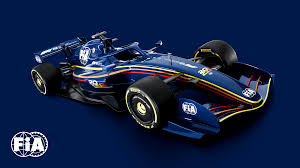
Dimensions: The Shrinking Grid
F1 cars have been criticized for being too large for traditional tracks. In 2026, the “footprint” of the car is shrinking significantly to improve wheel-to-wheel racing.
| Feature | 2025 Spec | 2026 Spec | Change |
| Wheelbase | 3600mm | 3400mm | -200mm |
| Width | 2000mm | 1900mm | -100mm |
| Tyre Width (Front) | 305mm | 280mm | -25mm |
| Tyre Width (Rear) | 405mm | 375mm | -30mm |
Weight: Dropping the Bulk
For the first time in years, the minimum weight of the car is actually going down.
- 2025 Weight: 798kg
- 2026 Weight: 768kg (a 30kg reduction).This will make the cars feel more reactive and improve braking performance, although engineers admit hitting this lower weight limit with the new batteries will be a massive challenge.
Aerodynamics: The “Active” Revolution
The 2026 car features a world-first for F1: Active Aerodynamics. * Moveable Wings: Both the front and rear wings will have moving flaps.
- Two Modes: Instead of just DRS, cars will have “Z-Mode” (high downforce for corners) and “X-Mode” (low-drag for straights).
- Simplified Bodywork: Front wings will be narrower, and the “Venturi tunnels” under the car will be less powerful to reduce the “dirty air” effect for following cars.
Engineering & The Power Unit
The heart of the car is undergoing a 50/50 split transformation.
- MGU-H Removed: The complex Heat Energy Recovery system is gone to lower costs and attract new manufacturers (like Audi and Ford).
- Electrical Power Surge: The electrical output will jump from roughly 120kW to 350kW.
- Manual Override (E-Path): A new “boost” button will replace DRS for overtaking, allowing a driver behind to use more electrical energy to pass.
- 100% Sustainable Fuel: All internal combustion engines will run on fully carbon-neutral fuels.
The Bottom Line
The 2026 car is designed to be a nimble, eco-friendly, and more agile version of its predecessor. While it may be slightly slower in a straight line initially due to lower drag, the reduction in size and weight is expected to make street circuits like Monaco and Singapore much more exciting.
F1 Stats Last Updated: March 29, 2026 | All statistics, lap times, and driver comparisons on this page reflect the most current data available from the official F1 sources. And updated till the last race which happened in 29th March 2026